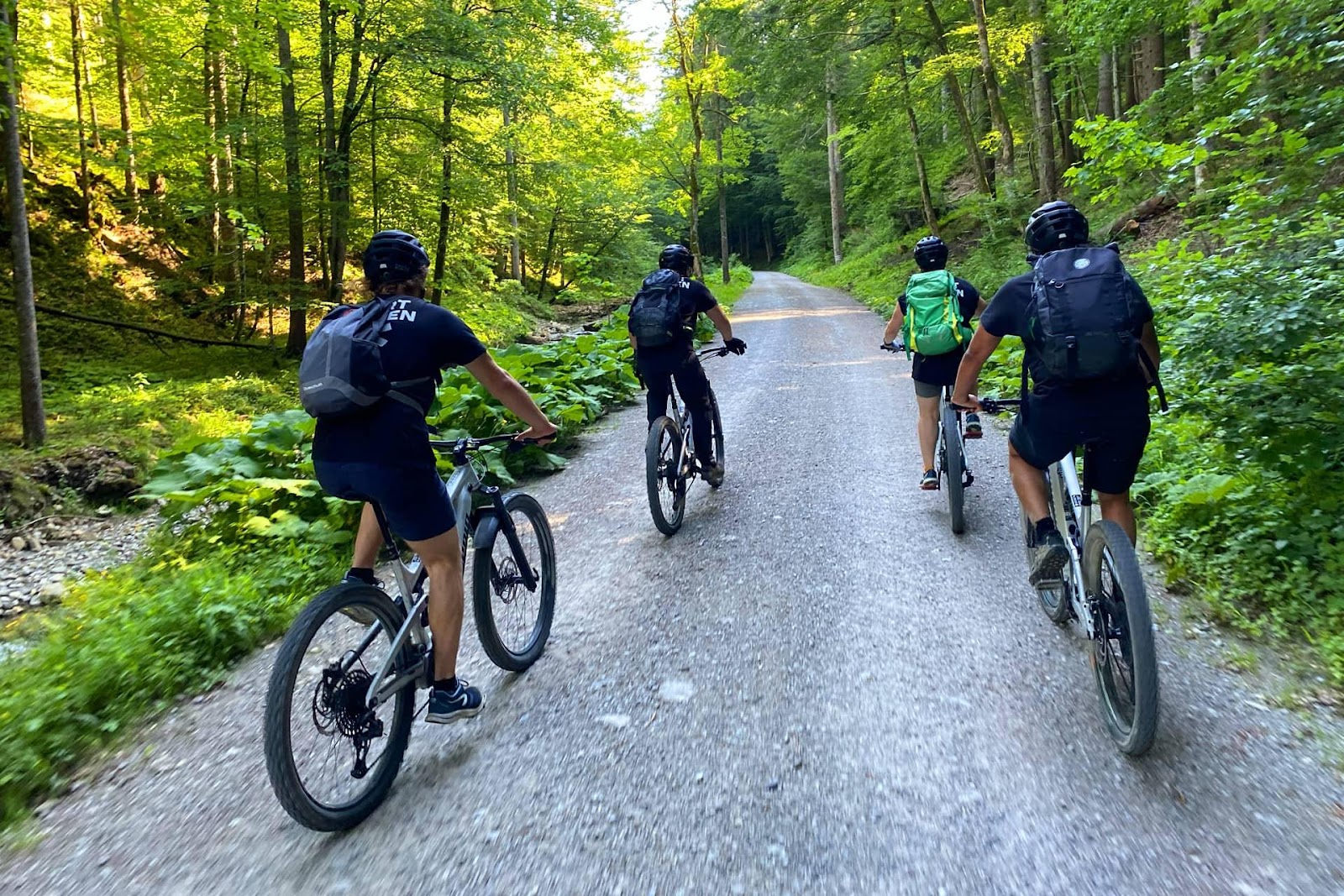
Gravel biking and road biking are two distinct disciplines within the broader category of cycling. Each of these disciplines has its own characteristics and considerations. Road biking is commonly about speed and endurance, with a focus on personal fitness goals or racing. As per Steven Rindner, gravel biking, on the other hand, largely leans towards exploration and adventure. It allows cyclists to escape traffic, enjoy remote landscapes, and tackle a variety of surfaces.
Steven Rindner sheds light on the difference between gravel biking and road biking
Gravel biking involves riding on a plethora of surfaces, which includes dirt paths, gravel roads, and even more challenging off-road trails at times. Gravel biking puts emphasis on the versatility of the riding style, and allows cyclists to navigate unpaved terrain. In contrast, road biking primarily takes place on paved roads. Road cyclists ride largely on smooth surfaces that facilitate efficient and fast riding.
Gravel bikes are designed specifically to handle a wide variety of surfaces. They generally have a relatively relaxed geometry for comfort and wider tires with tread for better traction. Gravel bikes may also come with features that allow for the attachment of accessories like fenders and racks. Typical road bikes, however, have more aggressive geometry. They have thin tires for reduced rolling resistance, and tend to be optimized for speed on paved surfaces. Road bikes are fairly lightweight as well, to ensure efficient climbing and acceleration. Gravel bikes use wider tires than road bikes. These wide tires have more substantial tread patterns that help in providing improved stability and grip on varied surfaces. Conversely, road bikes have narrow tires with smoother threads that help in reducing rolling resistance and elevating speed on paved roads.
As Steven Rindner mentions, gravel biking allows for a more adventurous and diverse riding experience than simple road biking. Gravel cyclists get the benefit of exploring scenic landscapes and tackling challenging terrain. They have the freedom to go off the beaten path. Road cycling essentially focuses on ensuring optimal speed and efficiency on smooth roads.
Over the years, gravel races and events have gained substantial popularity. They feature a myriad of routes that include dirt trails, gravel roads and mixed terrains. Gravel events usually prioritize a sense of adventure and camaraderie. Road cycling events usually maintain a more traditional approach than their gravel counterparts, and have a strong competitive element. Road races are generally held on paved roads and vary in format, which can include time trails, and longer road races.
Even though road bikes are designed primarily for smooth paved roads, some of them do have the capacity to handle light gravel riding to a certain extent. If a cyclist does decide to give gravel biking a try on their road bike, it is prudent to choose wider tires with a tread pattern suitable for gravel riding. While going on the ride, it is vital to keep the limitations of the bike’s tire clearance in mind. Cyclists should also reduce the tire pressure in the road bike tires in order to improve traction and ensure a more comfortable ride on gravel.